
Introduction
Have you ever experienced a situation where a vehicle cranks but refuses to start, even though the battery, starter and engine systems appear to be working correctly?
One possible cause is an immobilizer system fault.
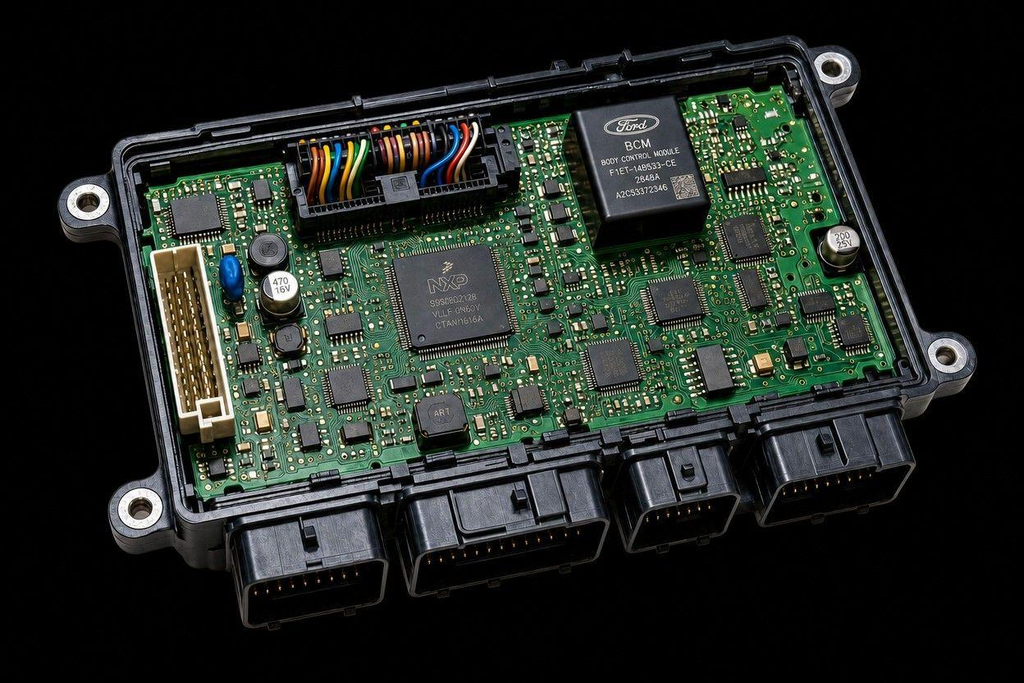
Modern vehicles use electronic immobilizer systems to prevent unauthorized engine starting. These systems communicate with the vehicle key, immobilizer module, body control module (BCM), and engine control unit (ECU).
When communication or synchronization between these components fails, the vehicle may not start.
In this guide, we explain how immobilizer systems work, common problems, ECU and key synchronization, and the diagnostic tools used by automotive professionals.
1. What Is an Automotive Immobilizer System?
An immobilizer is an electronic anti-theft system designed to prevent the engine from starting without an authorized key.
The system typically includes:
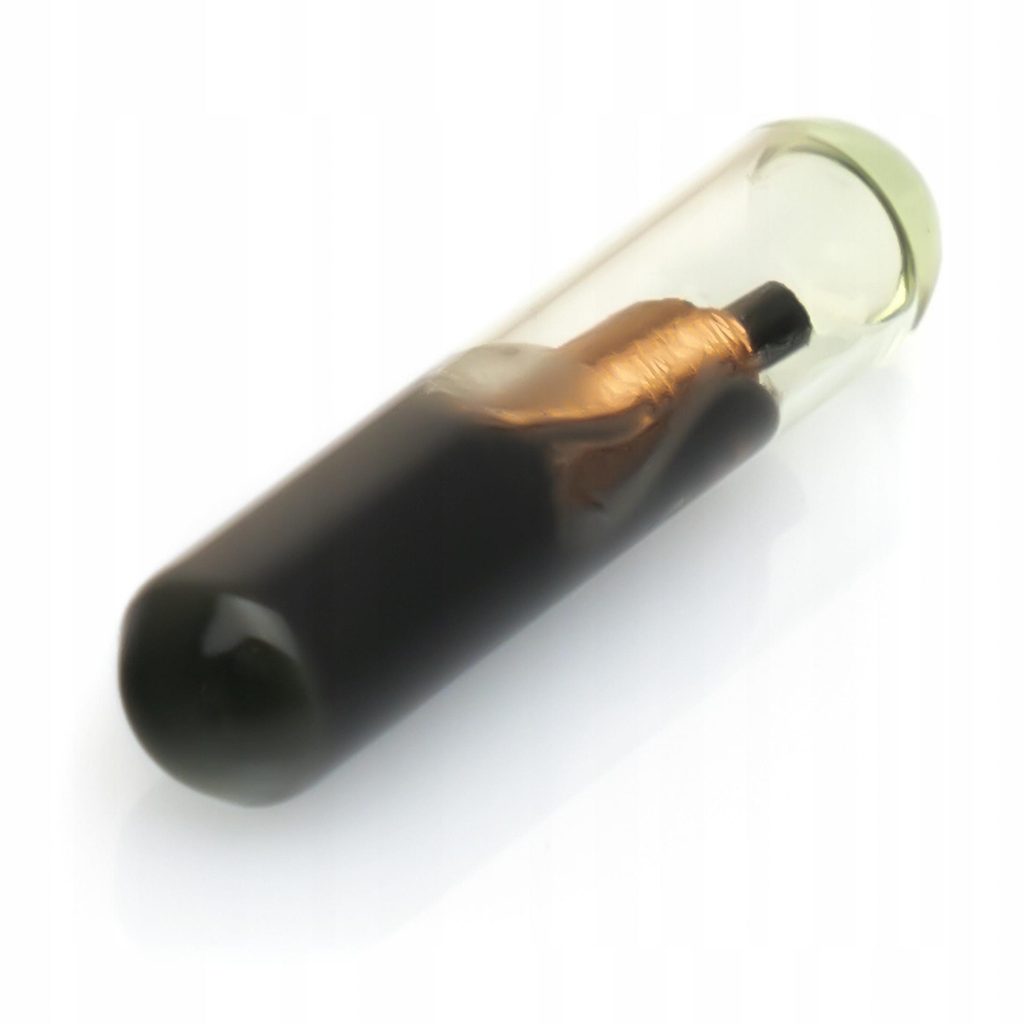
- Transponder chip inside the vehicle key.
- Immobilizer antenna or reader coil.
- Immobilizer control module or BCM.
- Engine Control Unit (ECU).
- Communication network between modules.
When the driver inserts the key or presses the Start button, the immobilizer system checks the key’s authorization.
If the key is recognized and the required security communication is successful, the ECU receives the authorization needed to start the engine.
If authorization fails, the engine may crank without starting, or the vehicle may not crank at all, depending on its design.
2. Common Immobilizer Problems
Automotive technicians frequently encounter the following immobilizer-related issues:
Key Not Recognized
The vehicle cannot identify the transponder key. Possible causes include a damaged transponder, faulty antenna, incorrect key programming or communication problems.
ECU Replacement Problems
After replacing an engine ECU, the vehicle may fail to start because the replacement ECU is not synchronized with the immobilizer system.
BCM or Immobilizer Module Replacement
Replacing the BCM or immobilizer module may require authorized configuration and security synchronization.
Lost Key or All Keys Lost
When all keys are lost, the vehicle may require a new key registration procedure using manufacturer-supported security access.
Communication Errors
Faults in CAN communication, wiring, power supply or module connections can interrupt immobilizer authorization.
3. ECU and Immobilizer Synchronization
ECU synchronization is an important procedure when replacing or servicing engine management components.
Depending on the vehicle manufacturer and system architecture, synchronization may involve:
- Engine ECU and immobilizer matching.
- ECU and BCM synchronization.
- Key transponder registration.
- Security data adaptation.
- Module configuration and initialization.
Not all vehicles use the same immobilizer architecture.
Some manufacturers store security information in the ECU, while others use a separate immobilizer module or BCM.
For this reason, technicians should identify the exact ECU type, vehicle generation and immobilizer system before performing any programming procedure.
4. How to Diagnose Immobilizer Problems
Before replacing electronic modules, it is important to perform a proper diagnosis.
Recommended diagnostic steps:
Step 1 – Read Fault Codes
Connect a professional diagnostic tool and scan the engine ECU, BCM and immobilizer modules.
Step 2 – Check Live Data
Look for immobilizer authorization status, key recognition status and communication between modules, when these parameters are available.
Step 3 – Check Electrical Connections
Inspect battery voltage, fuses, grounds, antenna connections and wiring.
Step 4 – Identify the ECU
Record the ECU manufacturer, hardware number, software number and vehicle information.
Step 5 – Verify Module Compatibility
If the ECU or BCM has been replaced, confirm that the replacement module is compatible with the vehicle.
Step 6 – Perform Authorized Synchronization
Use the appropriate manufacturer-supported programming procedure and security credentials.
5. Professional Tools for Immobilizer Programming
Several professional tools are used by automotive technicians for key programming, module adaptation and immobilizer diagnosis.
Examples include:
- Autel IM508 / IM608.
- Launch X431.
- OBDSTAR Key Master.
- Xhorse VVDI.
- Manufacturer-specific diagnostic platforms.
The available functions depend on the vehicle, model year, ECU type and software version.
Some procedures require online authorization or manufacturer security access.
6. Common Immobilizer Fault Symptoms
Here are some symptoms that may indicate an immobilizer-related problem:
- Engine cranks but does not start.
- Immobilizer warning light stays ON or flashes.
- Key is not recognized.
- Vehicle starts and then stops.
- ECU replacement results in a no-start condition.
- Diagnostic tool reports an immobilizer communication or authorization fault.
Important: These symptoms do not always indicate an immobilizer fault. Fuel delivery, ignition, wiring and other engine management problems should also be checked.
7. ECU Replacement: Important Considerations
Replacing an engine ECU is not always a simple plug-and-play operation.
Depending on the vehicle, the replacement ECU may require:
- Correct hardware and software compatibility.
- Manufacturer-specific configuration.
- Security adaptation.
- Immobilizer synchronization.
- Verification of vehicle identification and coding.
Always use authorized procedures and verify vehicle ownership before performing security-related programming.
Conclusion
Immobilizer problems are common in modern automotive electronics, especially when replacing ECUs, BCMs or immobilizer modules.
Understanding how the key, immobilizer system and engine ECU communicate helps technicians identify faults more accurately and avoid unnecessary component replacement.
With the right diagnostic equipment, technical knowledge and authorized programming procedures, many immobilizer-related problems can be diagnosed and resolved professionally.